Monday, March 28, 2011
Still Cooking with Stuff from the Garden
Sunday, January 2, 2011
Reflections on 2010
Not so Random Stuff
Friday, October 22, 2010
The Fall Garden
- Celery
- Broccoli
- Cauliflower
- Cabbage
- Lettuce
- Beets
- Radishes
- Peas
- Bok Choy
- Romanesco
- Chard
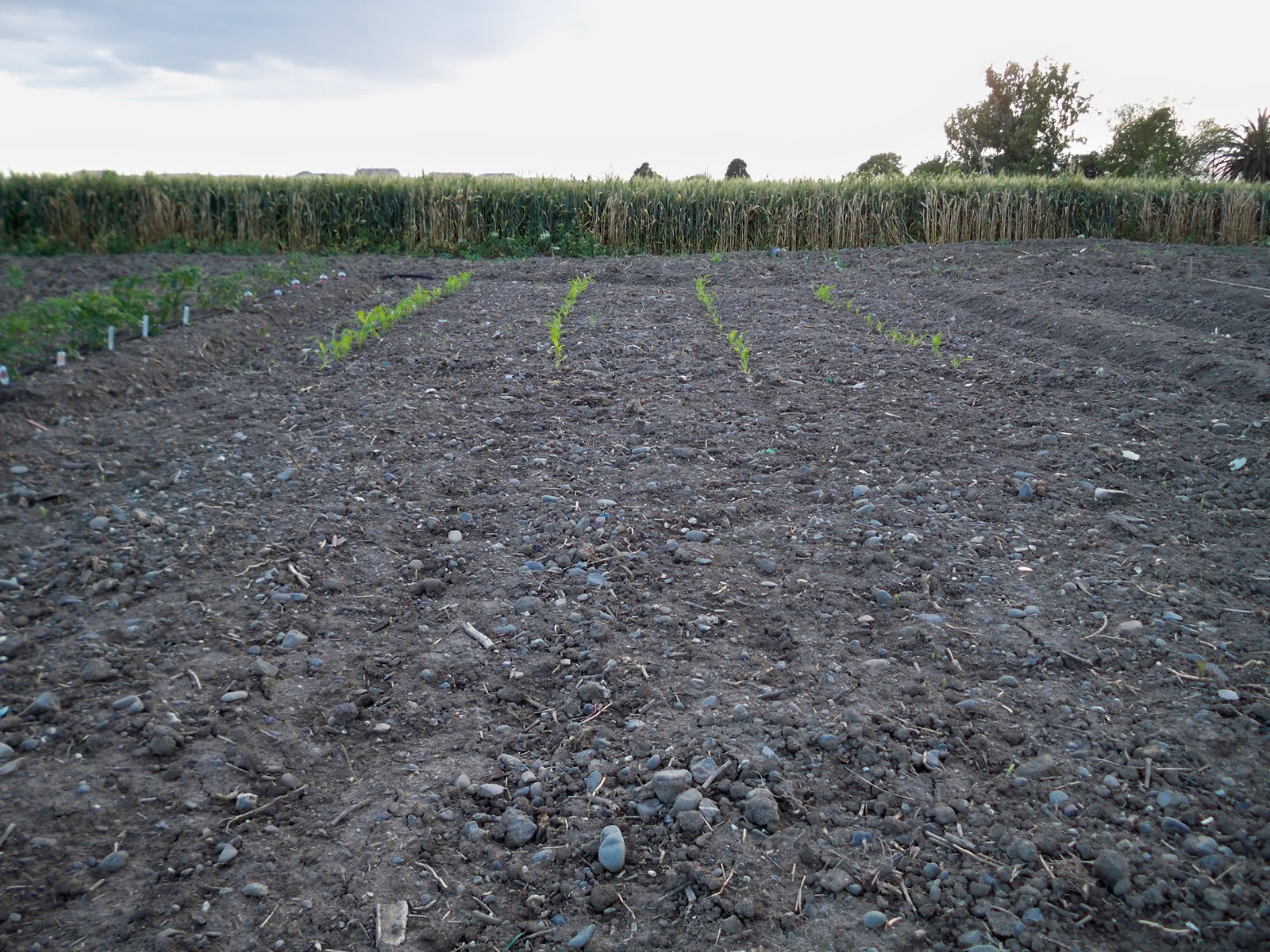
These are all great things to have in the garden because they can be used in so many ways. Broccoli, cauliflower, and Romanesco can be steamed and served as a vegetable side dish with just about anything. They are also very good for soups and casseroles as well. Most of these vegetables can be used raw in salads or on vegetable platters or cooked with meats and starches. Those with the good fortune to have access to very fresh picked vegetables for salads know how much this adds to the dish. I find that using very fresh picked vegetables in cooked dishes also makes a big difference. The freshness contributes more concentrated flavor when compared to something picked a few days before, so you can go very light on seasoning and enjoy the true taste of the vegetables. Another advantage to having a garden full of vegetables to pick dinner ingredients from is you can customize according to what dish is being prepared. For instance, the small, secondary sprouts of broccoli are the best for stir frying. You can use a larger head cut up into smaller pieces, but being able to pick the small side shoots takes things to a higher level. I planted the beets for nostalgic reasons. They are very good when simply boiled and eaten fresh versus the canned version we are familiar with. Back in 1983, I was living in a small house on our headquarter farm. Next door to me (for context, next door was about a half a mile away) lived an old guy named Andy. He was very colorful and had a lot of good stories about the area. He had grown up there and remembered when this area of West Sacramento had not even been cleared of brush to plant crops. He was in his mid-eighties at that time, so was born just before the turn of the century. That particular fall, he decided to plant beets behind his house. He didn't like the beets at the grocery store and being on a fixed income, he always planted a big garden to feed his wife and him. For some reason, the beets flourished. Every single row he planted came up and grew like weeds. He and his wife could only eat so many beets and I think he gave so many to his friends and family that they got tired of eating them too. Every day when he saw me drive down my driveway, he would flag me down and ask if I needed some more beets. I always said yes and told him how great they tasted. That was the truth too. They were very good. I think he would actually pull a handful up when he saw me coming, and I would usually wash and cook them within an hour or so. When they're fresh like this, they don't need much seasoning. Just a pinch of salt and pepper. Be careful though, the juice leftover from boiling them will stain everything bright red. Years ago, beet juice was the red dye of choice for many things.
The other pictures show how some of the summer planted stuff looks in the fall. The peppers have all just about turned red. The jalapenos are actually milder when red. The tomatoes are much smaller in size and what green ones are left, take almost forever to ripen up. Good thing I have a freezer and pantry full of tomato products from last summer. The sunflowers are drying out but I think the birds will get more of the seeds than I will. That's OK. The pumpkins and winter squash have all ripened up and are ready to be picked.
It's been a very good year for Farmville. Just about everything cooked for dinner the past few months has had something from the garden as the key ingredient. When fruits and vegetables are the foundation of the meal, it tends to be healthier for you. Not 100% of the time (I do use things like bacon to flavor up dishes), but for the most part. That's all I shoot for anyway. As the fall planted vegetables mature, I'll get better about posting updates.
Tuesday, September 28, 2010
Are We Tired of Squash Yet?
I'm seriously considering a new cause to champion and that is to educate the masses about the benefits of growing squash in their gardens. They are very easy to grow and produce an insane amount of food compared to how little effort the gardner needs to do for them. I know people get tired of eating squash a few weeks into the summer, but the solution is to mix up how it is prepared. Here is a list of some the ways zucchini was used this past summer here at Farmville.
- Baked into cookies with walnuts and dried fruit
- Grilled with light seasonings
- Fried Tempura style
- Stuffed with meat and cheese
- Diced and sauteed with garlic
- Raw with ranch dressing
- Tossed with pasta, garlic, tomatoes and basil
As you can see, if you arm yourself with a handful of recipes, you can enjoy summer squash for as long as your plant keeps its end of the deal.
The other type of squash we planted was the hard shell or winter types. We planted acorn, butternut, and delicata (not to be confused with Delicato Winery where I bought grape juice this past weekend to make into wine, but that will be another post). Also, closely related are the pumpkins. They are in the same plant family and can be used in the same recipes as most of the other winter squashes. Much like the zucchini plants, the pumpkins and winter squash will take care of themselves for the most part. You just need to make sure they are well watered early on so their roots spread out and grow deep.
The winter squash and pumpkins are ready to start harvesting now, but will also keep for a few weeks longer outside in the garden. By Halloween, the plan is to have them all picked and stored in a cool, dry location inside. If luck is on our side, they should keep until late Winter.
In anticipation of the mega-squash harvest, I fould two cookbooks devoted entirely to squash recipes. These are going to come in handy because the assistant winemaker at Farmville is very fond of home cooked dishes from the garden. The next couple of weeks will be pretty busy with crushing grapes and her help will be most appeciated in getting some grapes picked in the Sierra Foothills in early October. Her reward for this manual labor will be a dinner made up of various squash recipes. Some of the ideas so far are:
- Butternut squash soup with pesto
- Roasted acorn squash with pistachios
- Pumpkin and beef stew
- Pumkin pie
- Winter squash rissotto
- Pumpkin stuffed raviolis
I think when you take the time to search out and try different recipes, you can enjoy the bounty a squash garden produces almost all year. Considering how easy it is to grow and how healthy it is in your diet, one has to wonder why more folks aren't growing it.
Tuesday, September 7, 2010
Transitions
I realize the week after Labor Day is not officially the end of summer, but there are many who feel this is the most prominent weekend to define that dividing line. I happen to be one of those. It has become a last hurrah for summer activities and in most years, the long hot days we identify summer with are gone after this point in time. This year was a bit out of the ordinary because the Labor Day weekend gave us some of the hottest days this season and a few weeks ago, you could swear it was fall already. But this year has hardly been ordinary for many reasons.
The beginning of a new school year represents a big transition for just about everyone. For the kids, starting a brand new grade level, and sometimes a brand new school, transition can seem like an understatement. It's definitely progress, but the perceived change is very dramatic. The same can be said for the many parents that have kids going through this. I'm sure there are many out there who can easily identify with both of these vantage points. One group that probably contributes more toward making this transition happen smoothly are teachers. If you think about it, teachers help kids and parents navigate this transition seamlessly, and in a lot of cases, they have their own kids to shepherd through this journey as well. I had the good fortune to spend the summer with a teacher that exemplifies this and the children she will teach this year are very lucky. They will learn much.
The final transition topic of this post is vintage. In wine terms, it simply means the year the grapes were harvested. Since every year has its own nuances as far as weather, a vintage can indicate quite a bit about what one might expect from the wine made that year. Overly hot years can mean high sugar levels and subsequently, high alcohol levels. Very cool years yield wine with lower alcohol and higher acidity. Because consistency is considered one of the most important attributes in mass marketing and most wine is mass marketed, various techniques are used to "smooth" the impact that Mother Nature has on each vintage. Since this year has been very cool, most vineyards are doing all kinds of things to try and make the grapes ripen the same as they do every year. They are under-irrigating, pulling leaves, repositioning the fruit, and many other things to get the sun to pay attention to the beloved grapes. Since Farmville has a wine making unit, we follow this madness. Mostly for the entertainment value though. Since our wine making is strictly for our own consumption, we need only satisfy our own taste and truth be told, inconsistency is what makes it all interesting. Because each year is so different and that difference is captured in the character of the wine made that year, my vote is to accept it and appreciate the diversity it provides. This will insure your palate will never get bored and your cooking style will always be versatile enough to make good use of this. Let's hold our glasses up and toast everyone that runs as fast as they can from consistency and celebrate individuality. Cheers.
After all of that soap box rhetoric, here is your reward. The following link is to the Photobucket page where we will post the 2010 wine making pictures. I can almost guarantee if you follow the blog and use the pictures as visual aids, by 2011, you too can make your own wine.
http://s1210.photobucket.com/albums/cc418/kevin756/2010%20Pinot%20Noir%20Winemaking/